CASE STUDY: Product Development “The Identity Collection"
Product Strategy • Research • MVP Planning • Testing • Business Integration
01. Overview
“The Identity Collection” is a three-piece apparel line created for BÓRA, a lifestyle brand focused on empowerment, identity, and self-expression. As the Product Lead, I applied a formal product development framework to take the concept from insight → definition → design → feasibility → prototype → MVP strategy.
This case study demonstrates how I apply structured product development methods, user-centered research, business analysis, and cross-functional decision-making to create a real, market-ready product.
02. Problem Statement
Many Gen Z, LGBTQ+, and identity-focused consumers seek minimalist apparel that reflects who they are, not just what they wear. However, most products in this category are either:
too trend-driven,
too generic, or
not emotionally meaningful
Core Problem
How can we design an apparel line that enables individuals to express their identity, empowerment, and sense of belonging while maintaining a modern, minimalist, and affordable aesthetic?
03. Goal & Success Criteria
Project Goal
Develop a three-piece apparel collection grounded in identity-driven messaging, supported by user insights, business feasibility, and scalable design patterns.
Success Criteria
Designs must be emotionally resonant and identity-centered
Production must be cost-effective and scalable
Messaging must be consistent with brand values
The collection must support a cohesive MVP launch
Visual identity must work across digital, print, and apparel applications
04. My Role
Product Lead • Researcher • Designer • Strategist
I was responsible for:
User & market research
Product definition & requirements
Visual strategy & concept creation
Feasibility analysis
Design of mockups and prototypes
MVP scope planning
Pricing & value strategy
Stakeholder coordination
05. Tools & Methods Used
Tools: Adobe Express, Canva, Adobe Color, Hostinger, Notion
Methods:
Stage-Gate Product Development
MVP Scoping
Value Proposition Canvas
Competitive Analysis
Hybrid Project Management
Brand Identity Systems
Iterative Testing (Design Feedback Loops)
Phase 1 - Research & Discovery
User Research Findings
Consumers want simplicity with emotional depth
Visibility and pride matter, but so does subtlety
Clothing should feel expressive without shouting
Earth-tone colors evoke modernity and grounding
Competitive Analysis
Compared BÓRA’s positioning to lifestyle brands offering:
minimalist T-shirts
small batch collections
empowerment messaging
Gap Identified:
Few brands combine identity storytelling + minimalism in a premium-feeling but affordable format.
Phase 2 - Product Definition (Stage 2)
Core Concept
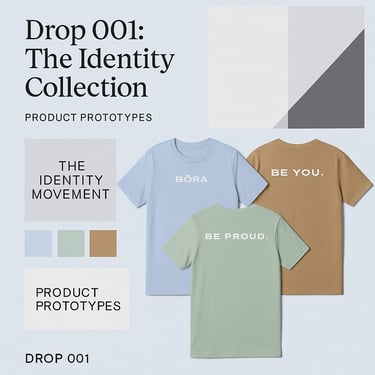
Three shirts, each representing one pillar of identity:
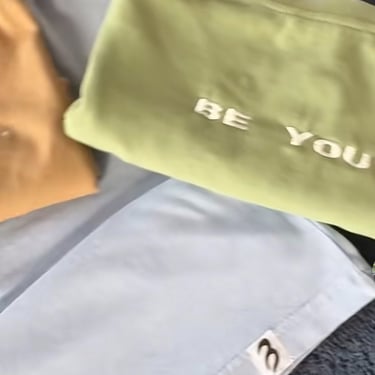
Be Bold
Be Proud
Be You
Product Requirements
Scalable 1-color printing
Clean sans-serif type (Horizon / geometric)
High contrast for visibility
Fits across digital and printed media
Emotional resonance
Phase 3 - Ideation & Concepting (Stage 3)
Explored:
symbolism
message hierarchy
placement testing
color systems
Created multiple design concepts and conducted informal user feedback sessions with:
classmates
LGBTQ+ individuals
creative peers
Insights:
Users preferred subtle gradient backgrounds and big typography
Identity-driven statements felt “powerful but approachable”
Simpler shapes increased emotional clarity
06. Product Development Process
Phase 4 - Design & Prototyping (Stage 4)
Deliverables Created
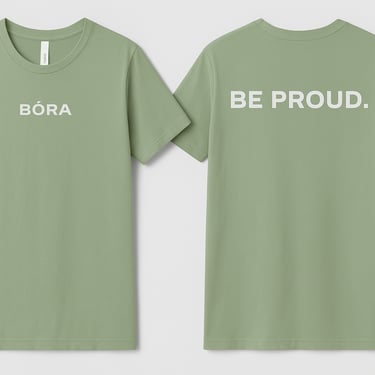
T-shirt mockups
Visual identity system
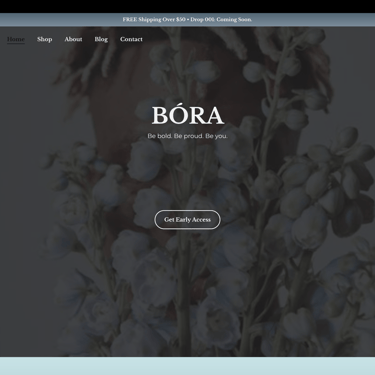
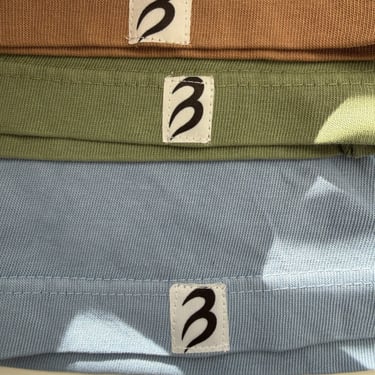
Logo + “B” symbol
Typography specs
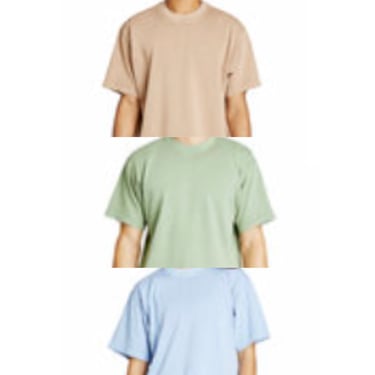
Color palette (greens, neutrals, warm tones)
Sizing for various apparel formats
Website preview assets
Testing
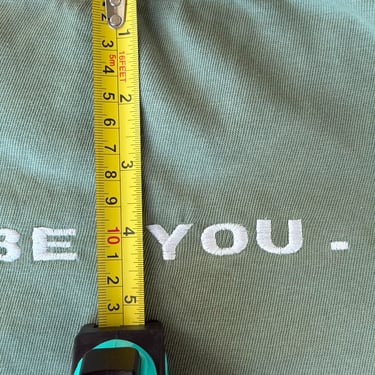
Tested designs for:
readability
scalability
color contrast
fabric printing feasibility
Result
A cohesive, minimal, emotionally expressive collection — ready for MVP launch.
Phase 5 - Feasibility & Business Analysis (Stage 5)
Cost-Based + Value-Based Pricing
Cost of blank premium tees: ~$12
Target retail: $40.99–$42.99
Margin supports branding, packaging, shipping, and marketing
Manufacturing Feasibility
Local printers support 1-color high-contrast design
Designs scale easily to hoodies, tote bags, stickers
Print-on-demand feasible for early MVP
Phase 6 - MVP Definition & Launch Framework
MVP Scope Includes:
3-shirt Identity Collection
Website homepage with product detail pages
Limited-size run (pre-orders)
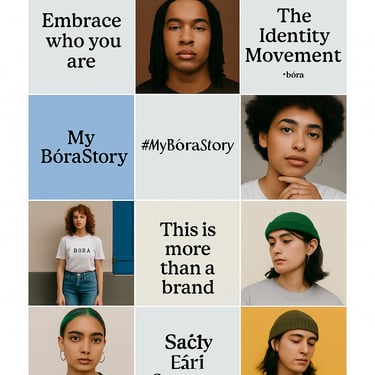
Social awareness campaign
“Faces of BÓRA” micro-influencer strategy
Launch Sequence
Awareness content →
Pre-orders →
Drop 001 launch →
Customer stories →
Expand product catalog
07. Outcomes
Fully developed three-piece apparel collection
Cohesive brand identity for scalable growth
MVP ready for printing + website integration
Formal product development documentation
Clear pricing + go-to-market strategy
Strong emotional product–user connection
Real-world application of business + PM + product frameworks
08. Key Learnings
How to translate user emotions into product features
Balancing brand voice with production feasibility
Applying structured product development frameworks
Leading a cross-functional project as a solo founder
Making business decisions based on research, not assumptions
Building for scalability while maintaining minimalism
9. Next Steps
Expand collection based on user feedback
Explore seasonal drops (Spring/Summer 2026)
Introduce accessories (hats, totes, hoodies)
Develop customer storytelling campaigns